
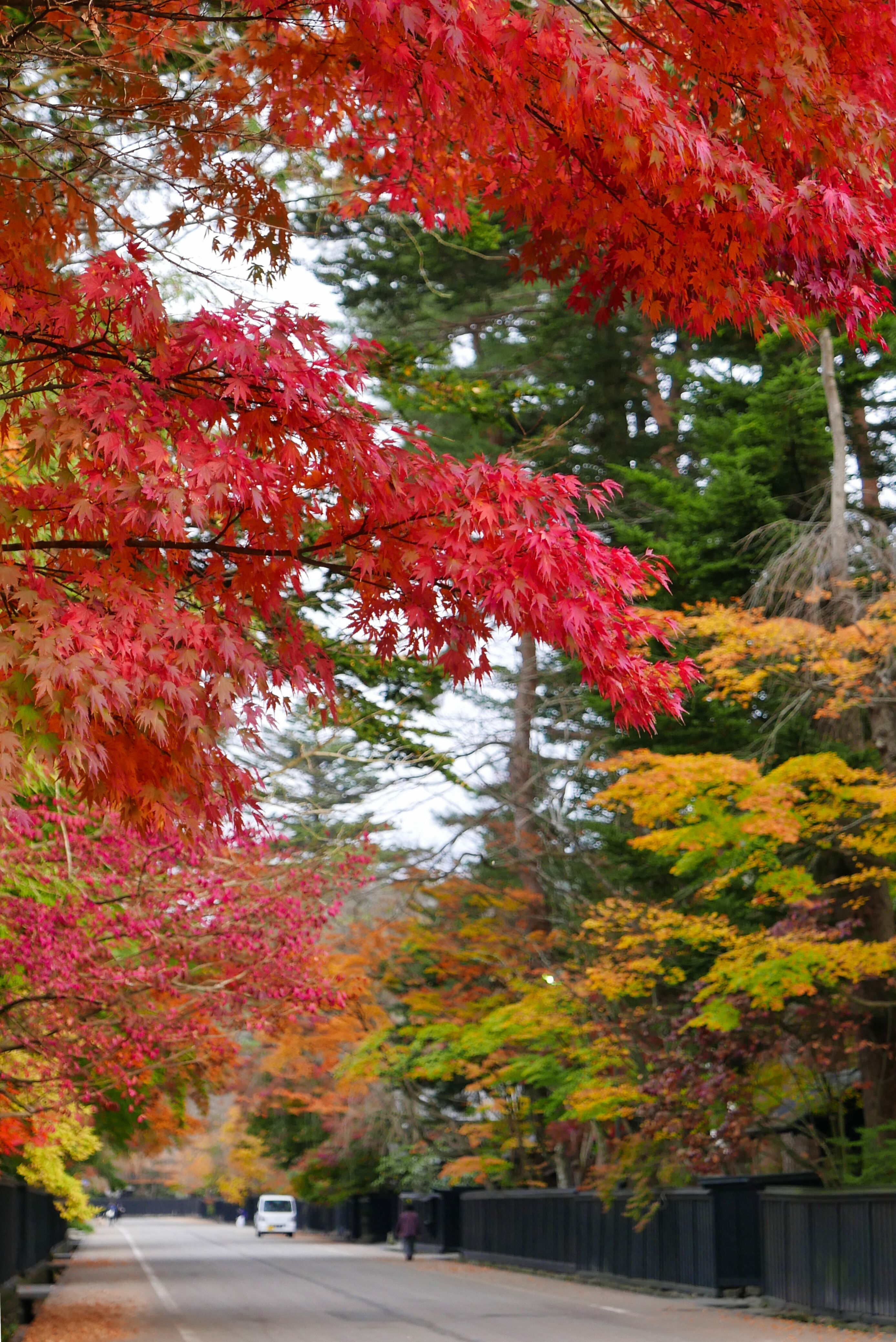
Often dubbed the “Little Kyoto of Tohoku”, Kakunodate in Akita Prefecture is a picturesque town renowned for its well-preserved samurai district. Here, visitors can walk in the samurai’s footsteps and immerse themselves in the charms of a bygone era.
Tiếng Việt
If you’re lucky enough to know a thing or two about Kakunodate, it’s probably something along the lines of a Japanese historical novel full of feudal lords, samurai, and geisha. It seems likely that nobody except samurai aficionados and history buffs has heard of this little town, settled amid the hills of Akita Prefecture. Unlike many rural towns in Japan that are left to oblivion, this settlement, less than a four-hour Shinkansen ride from northern Tokyo, has asserted itself as a curious spot worth a detour thanks to its impeccably well-preserved samurai heritage.
Kakunodate’s history begins in the early 17th century, when its lord, Ashina Yoshikatsu, wanted to establish a town in his domain. Yet instead of building one around his hilltop castle, he developed a new settlement in an open valley along the Hinokinai River. By 1620, Yoshikatsu’s castle was dismantled as a result of the powerful “One Castle per Domain Edict”, which allowed each daimyo to retain only one castle across the whole province. Yet the town survives, with much of its architecture and distinctive layout remaining intact.




1. Samurai District
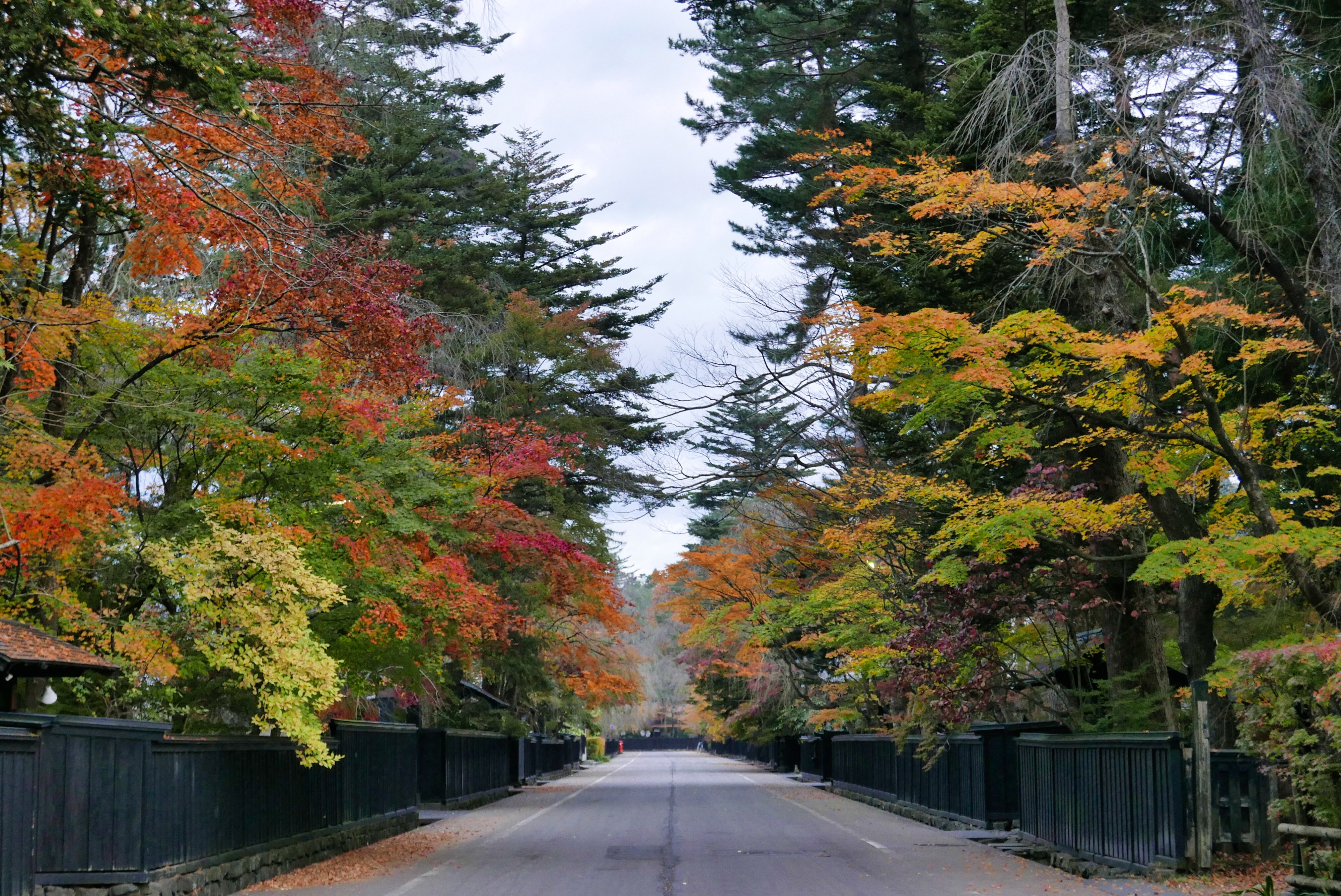
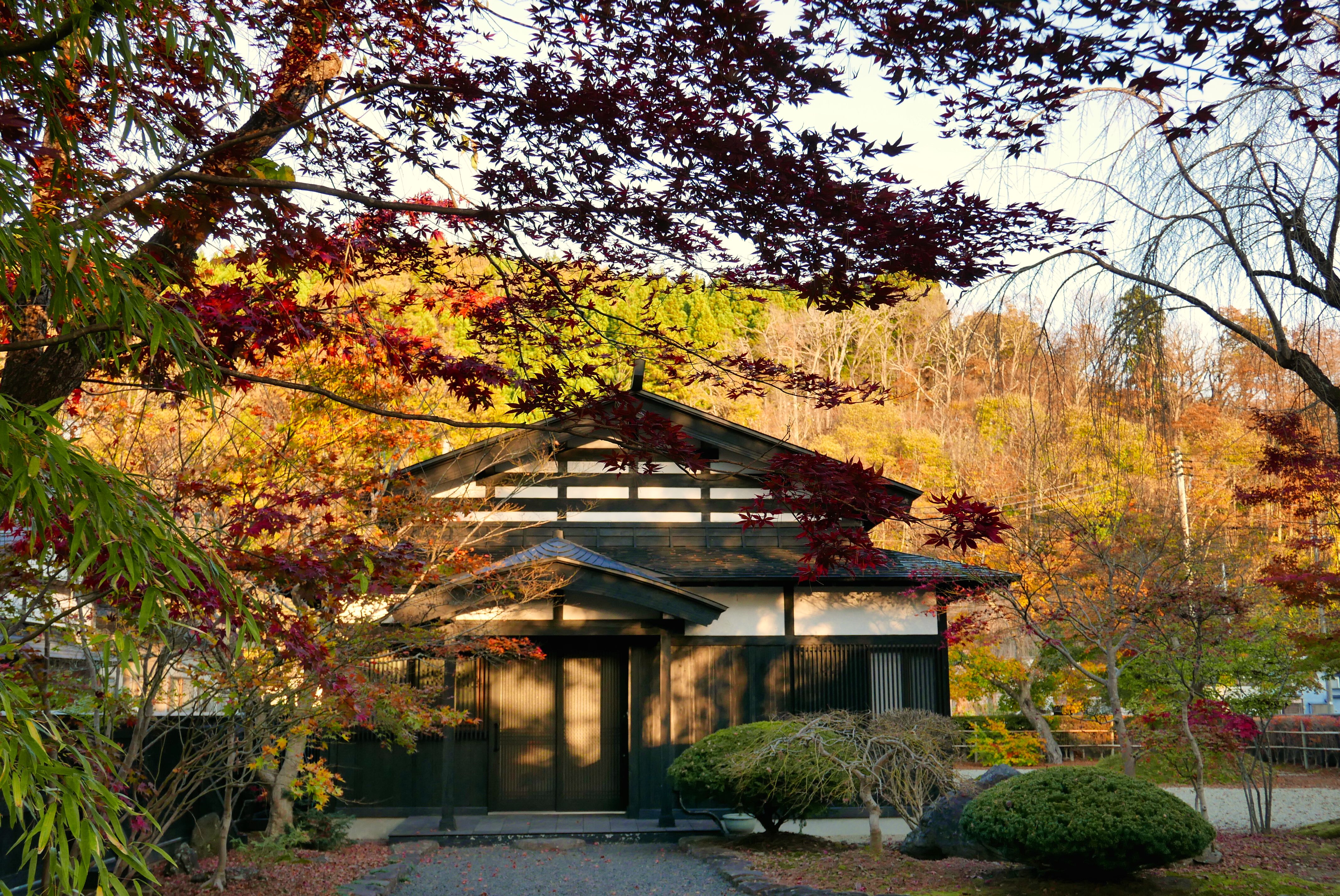
When planning the town, Lord Yoshikatsu designed a dual layout that separated the samurai district, or Uchimachi, in the north from the merchant district, or Honmachi, in the south. It wasn’t just for a unified aesthetic appeal, but also for a social division between commoners and the samurai. Tradesmen and everyday people dwelled in Honmachi, the town’s commercial heart, filled with simple homes, wooden storefronts, and whitewashed warehouses. Meanwhile, elite Uchimachi boasts avenues lined with sprawling residences once belonging to about eighty samurai families.
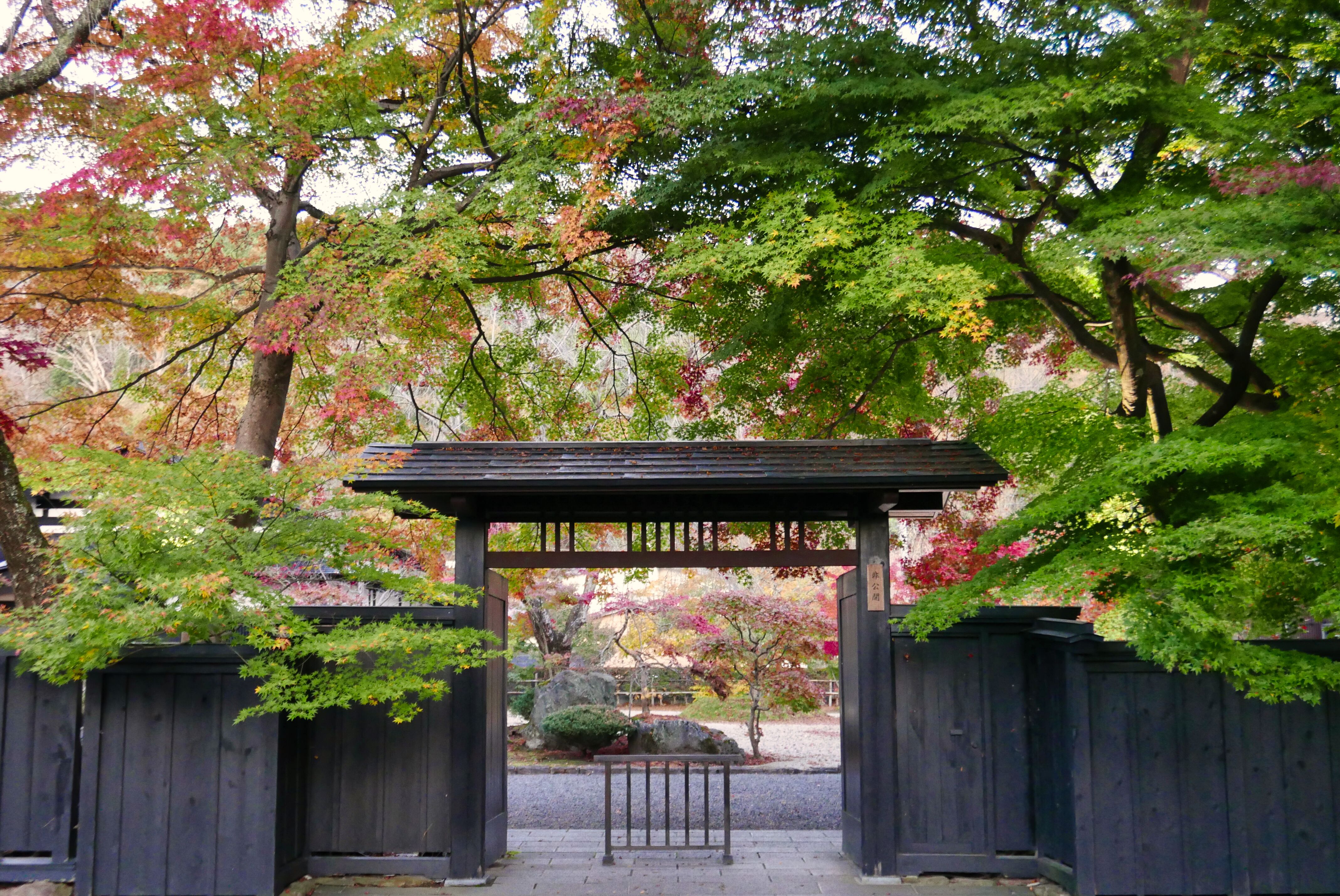
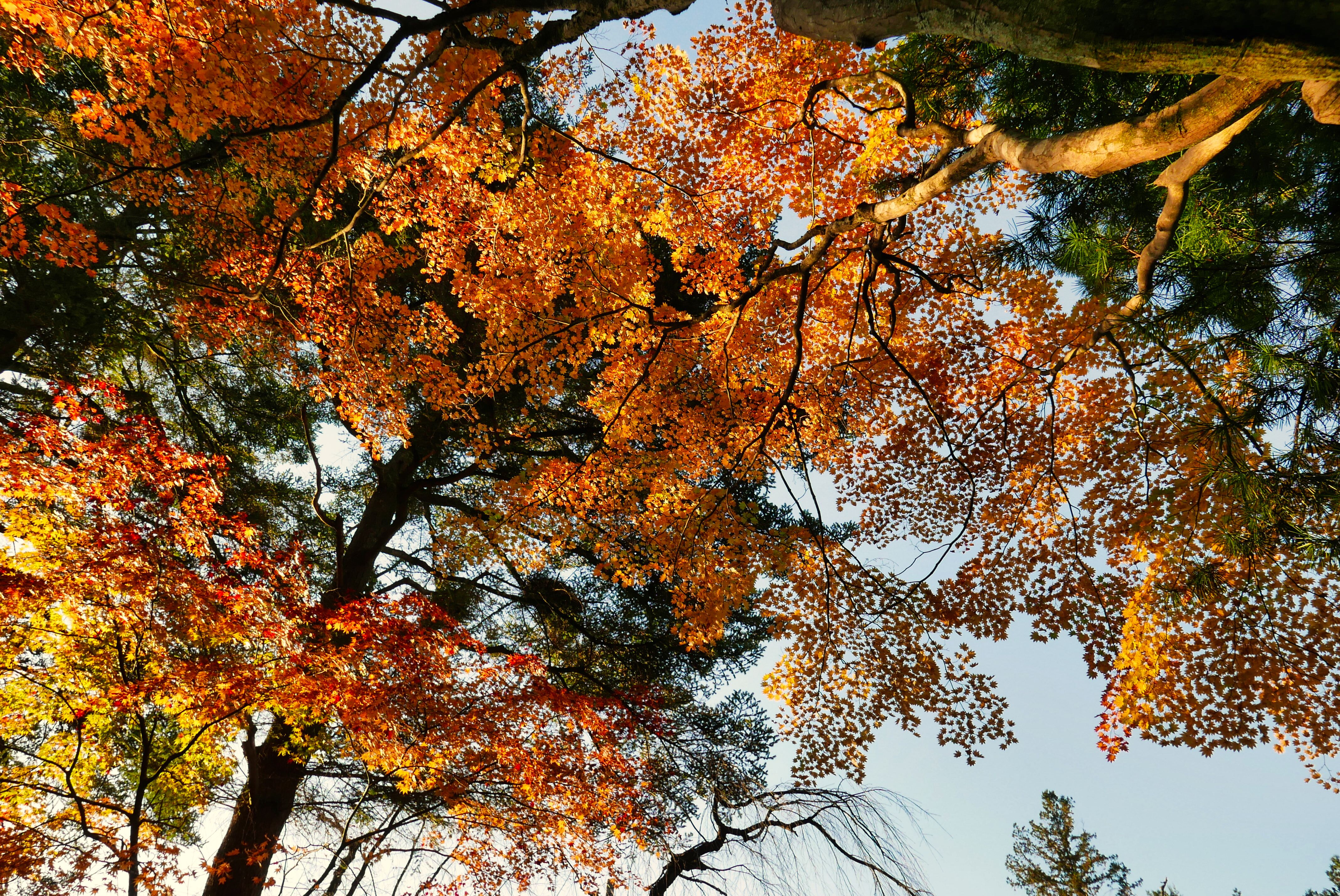
An outstanding collection of aristocratic architecture from the Edo period, the residences in Kakunodate’s samurai district feature traditional thatched gates and black timber fences with peepholes looking toward the main roads. They offer a striking contrast to the vivid green, golden, and red maple leaves that cascade down the roads every autumn, creating an ethereal spectacle that captures the essence of feudal Japan. The entryways open onto beautiful seasonal gardens containing the graceful main houses, storages, and other auxiliary structures.
Several of these houses, including those of the Aoyagi and Ishiguro families, are now open to the public, and one can get an intimate glimpse into the high-ranking samurai’s lives through the interior of their residences. Expect clean lines, tatami floors, sliding doors, charcoal-fired sunken hearths, rare wooden furniture, and elegant decorative elements. The houses also serve as family museums, displaying traditional armor, accessories, and heirlooms that represent the former owner’s dignity and status.
An outstanding collection of aristocratic architecture from the Edo period.
Good to Know: Kakunodate’s samurai district is a 15- to 20-minute walk north of JR Kakunodate station. Be sure to pick up the handy map and brochures available at the nearby tourist information centre.



2. Dakigaeri Gorge
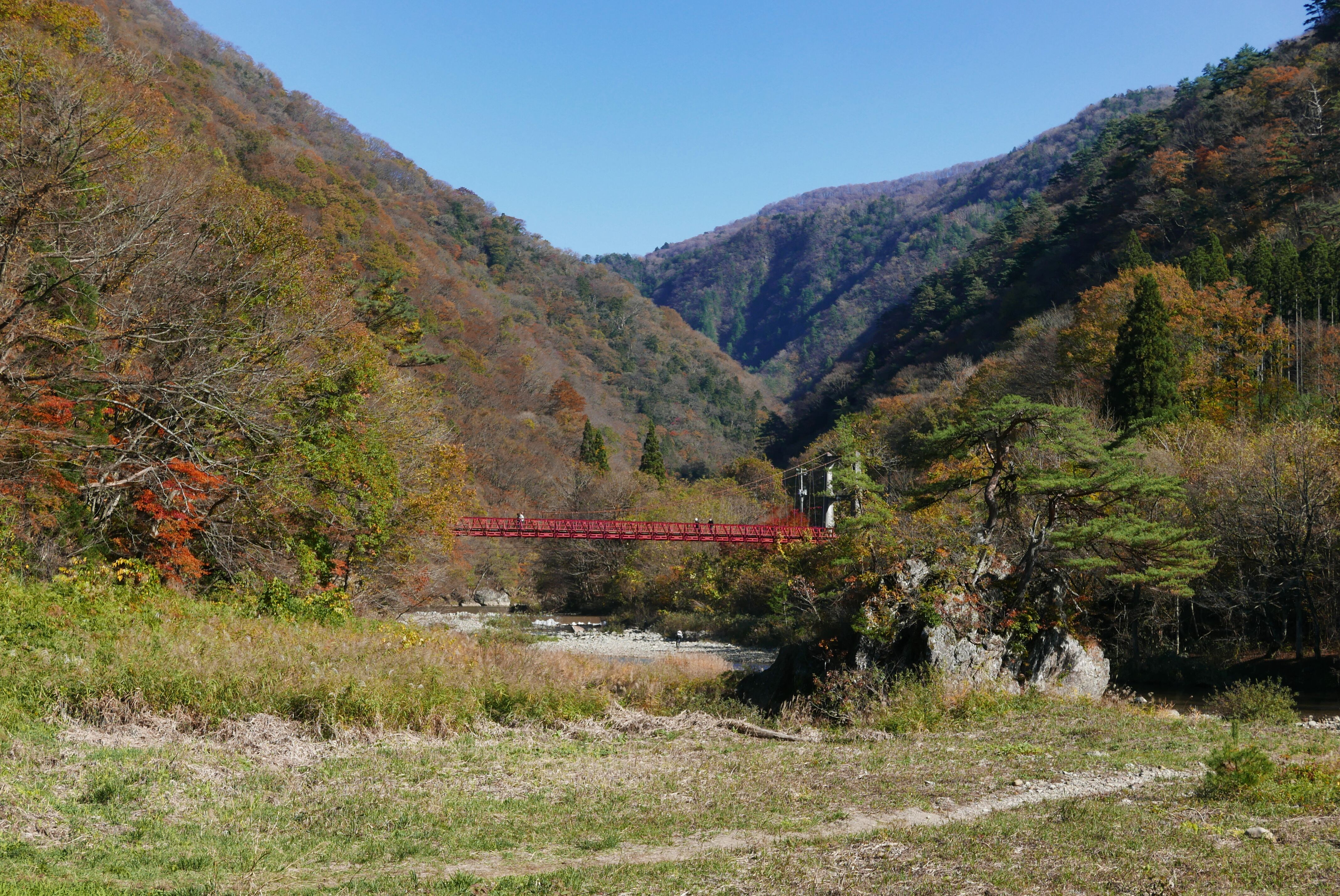
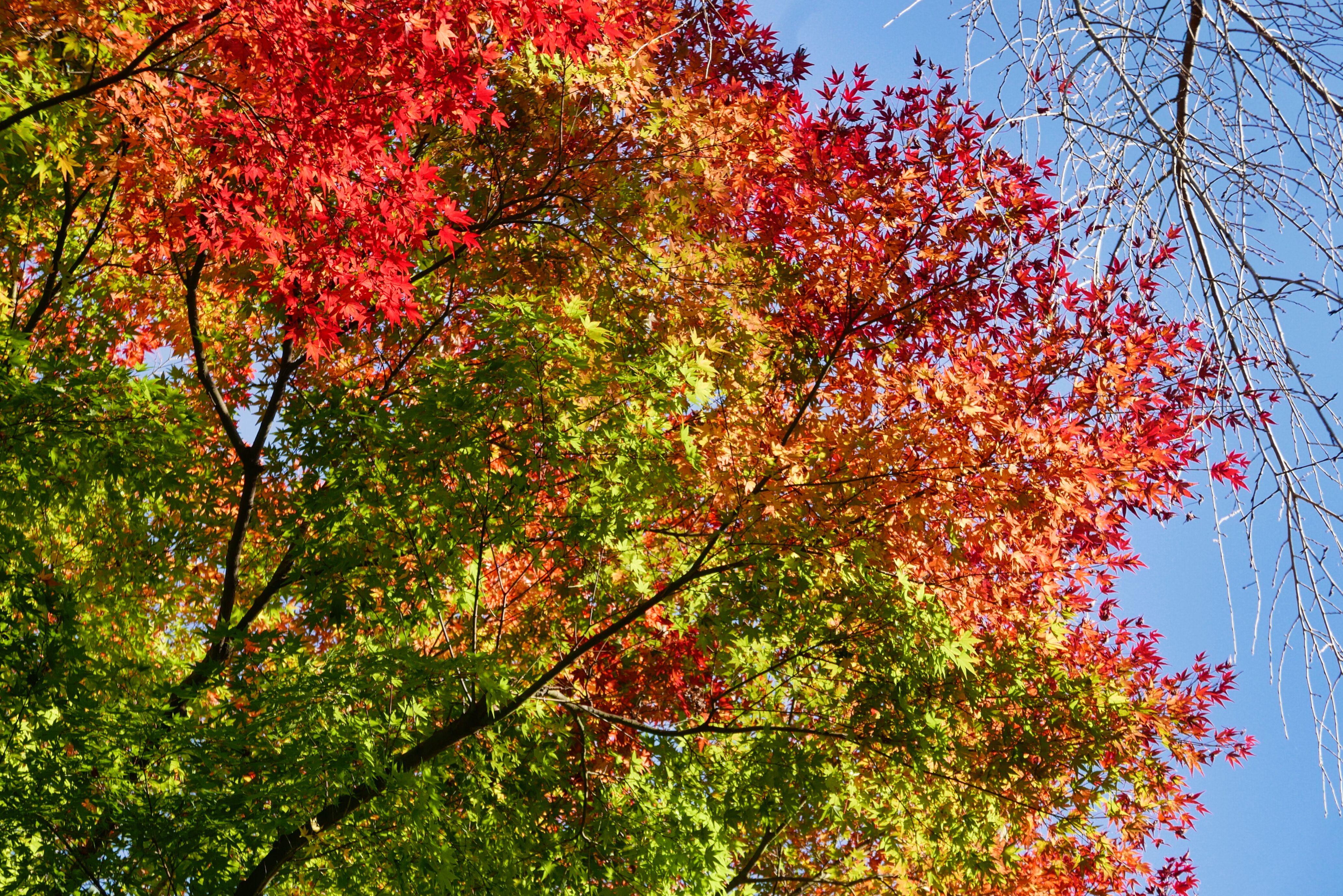
Beyond the samurai district, Kakunodate is also known for Dakigaeri, a spectacular gorge that runs about 10 kilometers through Akita’s unspoiled woodlands. Its sheer cliffs frame a brilliant turquoise river said to originate from a hot spring rich in aluminum particles. The landscape looks even more beautiful in autumn when the forest erupts in fiery reds and oranges.
A gorge with stunning autumnal scenery.
Meaning “hugging and turning back”, the name “Dakigaeri” comes from the old times when the mountain paths were so narrow and steep that travelers had to cling to one another to pass. Today, the paths have been widened, and one can enjoy a casual stroll along the river.
The scenic walk began at the Dakigaeri Shrine, dating back to 1673, where villagers prayed for rain at the gorge’s water source. Afterward, a brief incline brought me to an 80-meter vermilion suspension bridge, offering a stunning view of the turquoise water and odd-shaped boulders below. A dirt track followed, leading to a waterfall at the end. Yet nature offers no guarantees: a landslide the night before blocked the final section. Instead of being disappointed, I took my time to retrace my steps and soak in this amazing scenery.
Good to Know: Although the gorge is only 8.5 kilometers from the town center, there are no buses or trains that go directly there, leaving car rental or a taxi as the only viable options.



Recommended Stay
Another interesting thing about Kakunodate is that one can actually relive the past by staying in one of the town’s historic buildings. These houses have seen centuries pass without losing their soul; the only change is probably the level of comfort provided to guests. wanoi Kakunodate, a boutique hotel brand developed by JR East Group, delivered exactly this kind of experience. They breathed new life into several heritage homes across the town, allowing guests to immerse themselves in the rhythm of traditional Japanese life without sacrificing contemporary comfort.
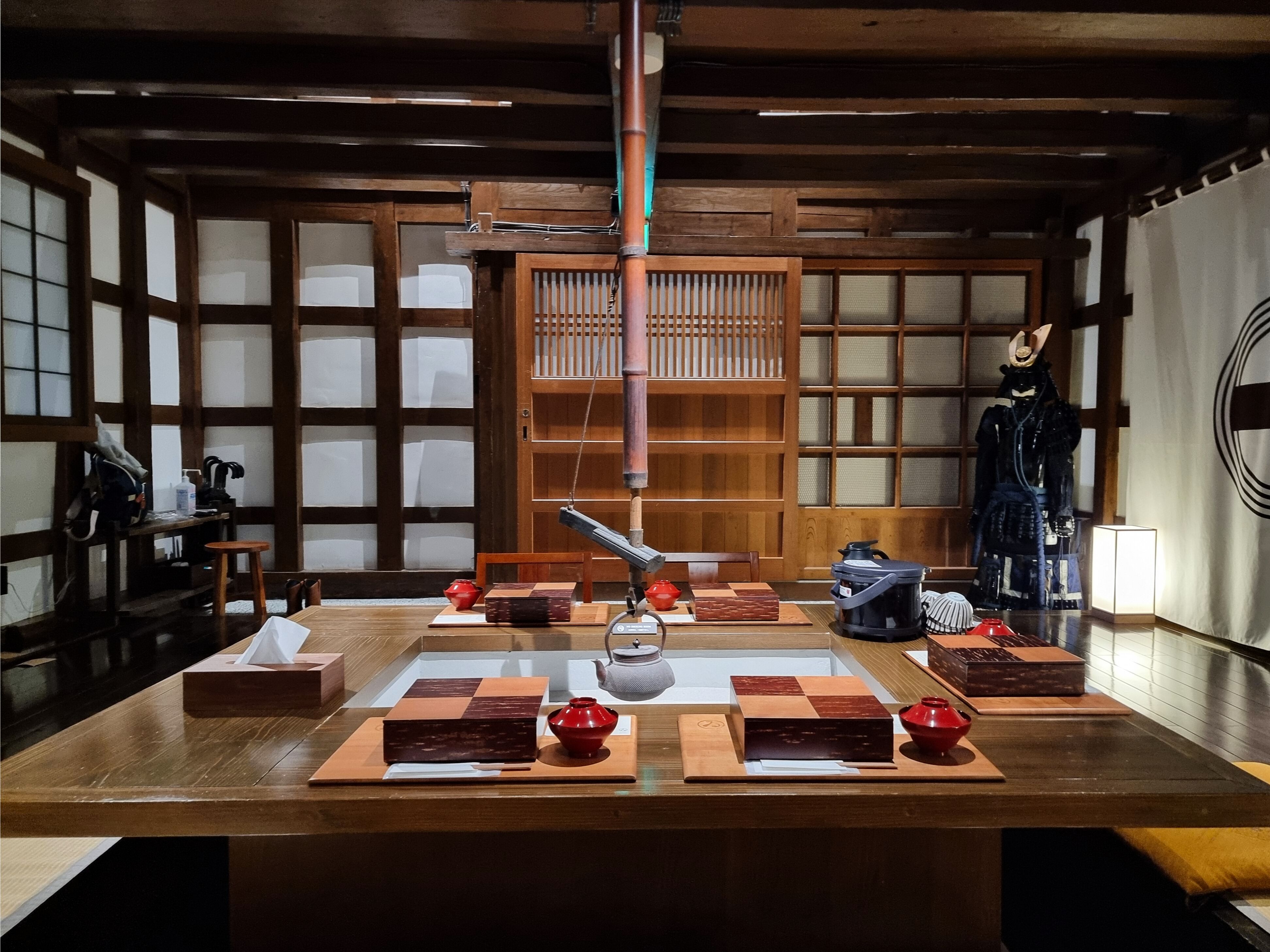
Of the six properties, I stayed at Nishinomiyake Bushigura, a 107-year-old former kura storehouse once owned by the Nishinomiya samurai family. This nostalgic two-story house seamlessly blends past and present, incorporating modern furnishings into heritage architecture – think thatched roofs, earthen walls, timber frames, tatami flooring, and dark oak furniture. Highlights include the intimate living room with a central sunken heating table, local crafts, and comfortable futon bedding.
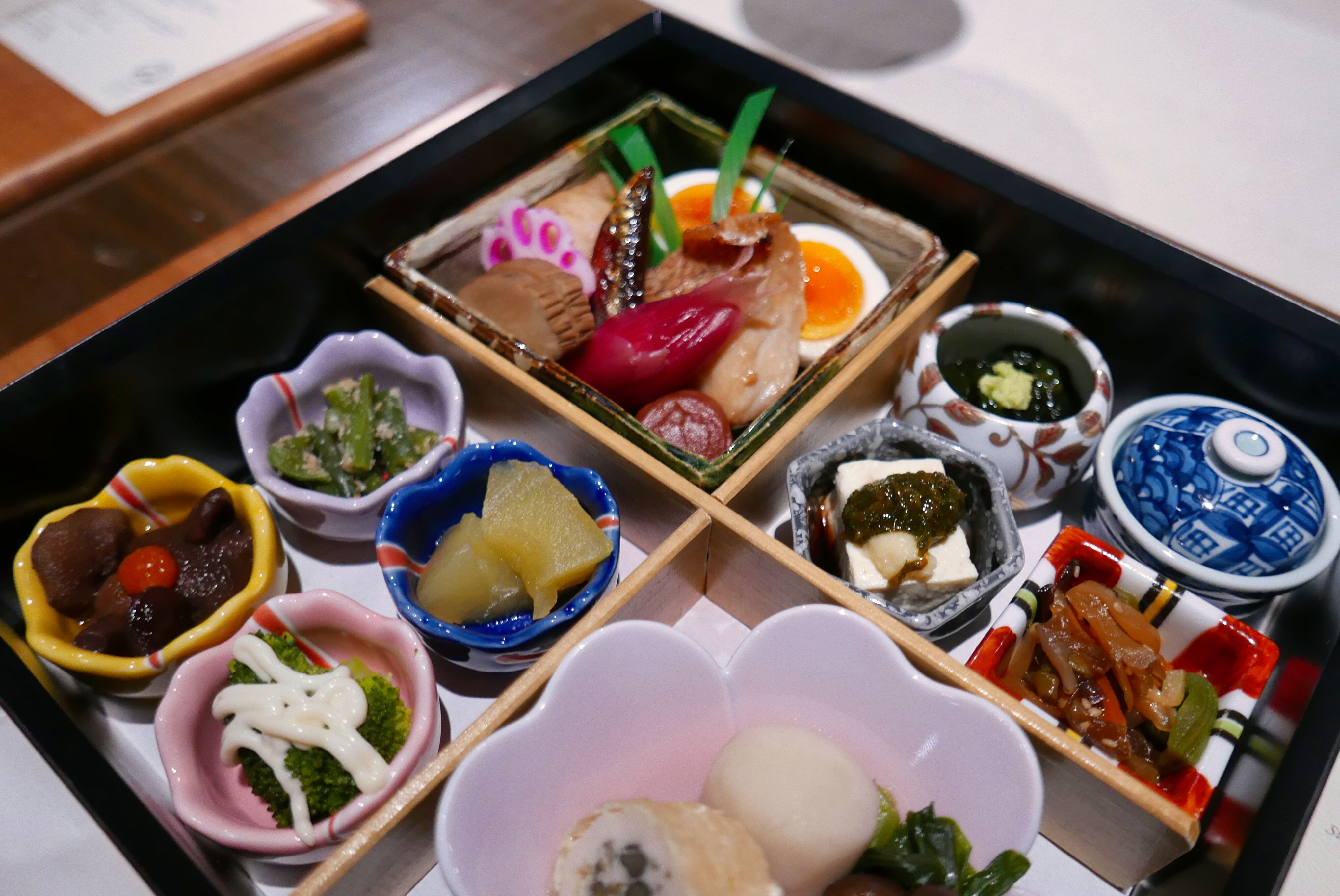
Additionally, guests can experience tactile tools once used by the samurai class, such as sheathed katanas, armor, and a traditional palanquin. The entire house (150 m2) is rented to just one group per night, with space for up to six guests, and it includes a hearty bento-style breakfast delivered to the door, featuring locally grown rice and miso.
A unique blend between heritage architecture and modern furnishing.



DISCLAIMER:
My recommendation is written based on my personal experience. It was neither sponsored nor solicited by wanoi Kakunodate or any third party. All texts and pictures reflect my opinions and are provided solely for informational purposes. I will not be liable for errors or damages using this information.


Wow, what a truly wonderful place to visit, especially for those who enjoy Japanese history, preserved architecture, and a slower-paced cultural experience. I very much love how those bright red and yellow maple leaves contrast sharply against the dark wooden and black-plaster walls of the historic samurai residences. Thanks for sharing, and have a good day 🙂 Aiva xx
Kakunodate looks very charming, especially under the autumn foliage. The samurai-era artifacts look really cool too. Thank you for continuously introducing us to many corners of Japan that are less visited by tourists!